Cost-Effective Innovations in Spun Aluminum for Sustainable Metal Solutions
The Rise of Spun Aluminum in Sustainable Manufacturing
Understanding Spun Aluminum
Spun aluminum represents a transformative approach in the world of metalworking, particularly in sustainable manufacturing. The metal spinning process involves rotating a disc of aluminum at high speeds while applying pressure to shape it into various forms. This technique allows manufacturers to create complex geometries with exceptional precision. Spun aluminum has gained popularity due to its versatility and adaptability, catering to a wide range of applications, from automotive components to decorative items. The ability to produce intricate designs without excessive waste marks a significant advancement in modern metalworking, aligning with global sustainability goals.
Advantages of Lightweight Metals
Lightweight metals, such as aluminum, have become essential in various industries, particularly in aerospace and automotive sectors. The lightweight nature of spun aluminum contributes significantly to efficiency and performance. Reducing weight leads to lower energy consumption, whether in transportation or manufacturing processes. In addition, products made from spun aluminum often demonstrate superior strength-to-weight ratios, making them ideal for applications requiring durability without the burden of added mass. These characteristics not only enhance operational performance but also support environmental sustainability by minimizing resource consumption and emissions.
Environmental Benefits of Using Spun Aluminum
Utilizing spun aluminum in manufacturing processes offers remarkable environmental benefits. Aluminum is infinitely recyclable, which means that products made from spun aluminum can be reprocessed without degrading their quality. This recycling potential supports a circular economy model, minimizing waste and reducing the demand for virgin materials. Moreover, the metal spinning process generates less scrap compared to traditional metal stamping methods, leading to a more efficient use of resources. By choosing spun aluminum, manufacturers can significantly lower their ecological footprint while contributing to sustainable development initiatives.
Cost-Effective Innovations in Metal Spinning
Comparing Metal Spinning to Metal Stamping
Metal spinning and metal stamping serve distinct purposes in the manufacturing realm, each with unique advantages. Metal stamping involves cutting and shaping flat sheets of metal into predefined designs, often producing significant waste material. In contrast, metal spinning focuses on shaping solid disc forms, leading to reduced waste and higher material efficiency. The cost-effectiveness of spun aluminum arises from this efficiency, as manufacturers can achieve intricate designs without the high tool costs associated with stamping. Additionally, spun aluminum allows for quick production runs, which can be particularly beneficial for small to mid-sized projects where flexibility and speed are crucial.
Recent Advances in Spinning Technology
The field of metal spinning has witnessed significant technological advancements over recent years. Innovations in CNC (Computer Numerical Control) technology have allowed for greater precision and automation in the spinning process. This results in improved repeatability and reduced labor costs, making spun aluminum even more attractive for manufacturers. Furthermore, advancements in tooling materials and techniques enhance the lifespan and performance of spinning tools, enabling the production of complex shapes with higher quality finishes. These advancements contribute to lower production costs, making spun aluminum a viable option for a broader range of applications and industries.
Innovative Applications of Spun Aluminum in Tanks
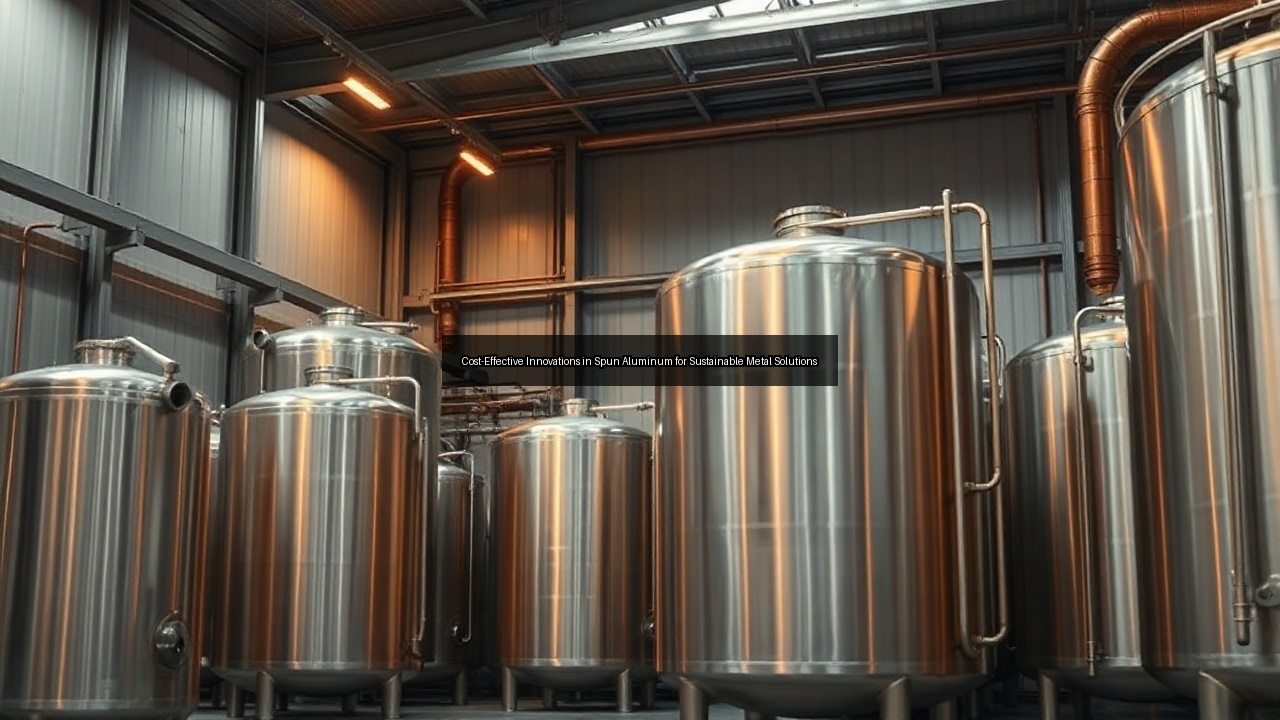
Spun aluminum finds innovative applications in the manufacturing of tanks, particularly for storing liquids and gases. The lightweight nature of spun aluminum allows for significant reductions in overall tank weight, facilitating easier transportation and installation. Furthermore, the strength and durability of spun aluminum tanks make them highly suitable for both industrial and commercial uses. They offer resistance to corrosion and wear, ensuring longevity and reduced maintenance costs. From water storage tanks to fuel containers, the versatility of spun aluminum continues to open new avenues for efficiency and sustainability in tank design and manufacture.
Exploring Materials and Alloys in Spun Aluminum
The Role of Aluminum Alloys in Spinning
Aluminum alloys play a crucial role in enhancing the properties of spun aluminum products. By combining aluminum with other metals, manufacturers can achieve specific mechanical properties tailored to various applications. For instance, alloying aluminum with elements such as magnesium or silicon can improve strength and corrosion resistance. These enhancements make spun aluminum suitable for demanding applications, including those in harsh environments. Understanding the specific requirements of a project allows manufacturers to select the optimal alloy, ensuring that the final product meets both performance and sustainability standards.
Benefits of Spun Aluminum vs. Other Metals
Compared to other metals, spun aluminum offers a unique blend of benefits that make it an attractive choice for manufacturers. Its lightweight nature allows for reduced energy consumption in transportation and application, which is a significant advantage in industries focused on sustainability. Additionally, spun aluminum exhibits excellent thermal and electrical conductivity, making it a preferred material for various applications, including heat exchangers and electrical enclosures. Unlike heavier metals like steel, spun aluminum does not rust, leading to lower maintenance costs and longer product lifespans. These factors make spun aluminum a superior choice in many scenarios, particularly where weight, durability, and cost are critical considerations.
Integrating Copper with Aluminum for Enhanced Properties
Integrating copper with aluminum to create spun aluminum alloys enhances the material's overall performance. This combination leverages the conductivity of copper while retaining the lightweight benefits of aluminum. Such alloys demonstrate improved strength, thermal conductivity, and resistance to corrosion, making them excellent candidates for applications in electronics and automotive components. The fusion of these two metals allows manufacturers to produce components that meet high-performance standards while also being cost-effective. This innovative approach to alloying expands the application range of spun aluminum, offering solutions that cater to diverse industry needs.
Future Trends in Spun Aluminum and Sustainability
Cost Implications of Advanced Spinning Techniques
The future of spun aluminum hinges on continued advancements in spinning techniques and technologies. As manufacturers adopt more sophisticated equipment and processes, the cost of production is expected to decrease. Innovations such as automated spinning machines and improved tooling can streamline operations, reducing labor costs and increasing output efficiency. Furthermore, these advancements can lead to more precise finishes, decreasing the need for secondary operations that often add to overall costs. As manufacturers continue to embrace these technologies, spun aluminum will likely become an even more appealing option for cost-sensitive projects.
The Impact of Spun Aluminum on the Circular Economy
Spun aluminum plays a vital role in promoting a circular economy, where waste is minimized, and resources are reused. The recyclability of aluminum means that products can be repurposed at the end of their lifecycle, significantly reducing environmental impact. As industries increasingly focus on sustainability, spun aluminum offers a pathway to aluminum metal spun integrate recycling practices into manufacturing processes seamlessly. By utilizing recycled aluminum in the spinning process, companies can lower their carbon footprint while producing high-quality products. This commitment to sustainability not only meets regulatory demands but also resonates with environmentally-conscious consumers.
Predictions for Spun Aluminum in Various Industries
The trajectory of spun aluminum points to its growing relevance across multiple industries, including aerospace, automotive, and construction. As demand for lightweight and durable materials continues to rise, spun aluminum will likely see increased adoption for components requiring high strength and efficiency. Innovations in alloy development will further enhance its applicability in specialized sectors, while technological advancements in spinning processes will make production faster and more cost-effective. The future of spun aluminum shines bright, promising not only economic advantages but also a pivotal role in advancing sustainable practices across manufacturing landscapes.
See Also
- From Concept to Creation Understanding Spun Aluminum Tanks
- How to Choose the Right Spun Aluminum Alloy for Your Needs
- Unveiling the Secrets of Spun Aluminum and Its Versatile Applications
- Exploring the Strength and Flexibility of Spun Aluminum Materials
- How Spun Aluminum is Revolutionizing Lightweight Design