The Future of Carbon Steel Distribution in the Construction Industry
Understanding Carbon Steel in Construction
What is Carbon Steel?
Carbon steel, an essential material in the construction industry, comprises iron and carbon, with varying levels of additional elements that enhance its properties. Its versatility makes it a popular choice for a wide range of construction applications. Unlike stainless steel, carbon steel does not contain significant amounts of chromium, making it more affordable but less resistant to corrosion. The flexibility in carbon content allows for various grades and types, each tailored for specific uses in construction, from structural beams to reinforcement bars. Understanding the unique characteristics of carbon steel is vital for architects, builders, and engineers as they select materials that balance strength, durability, and cost-effectiveness.
Types of Carbon Steel: Low, Medium, and High Carbon
Carbon steel can be categorized into three main types: low carbon steel, medium carbon steel, and high carbon steel, each possessing distinct properties and applications. Low carbon steel, containing up to 0.3% carbon, is malleable and ductile, making it suitable for applications like sheet metal fabrication and automotive body panels. Medium carbon steel, with carbon content ranging from 0.3% to 0.6%, strikes a balance between strength and ductility, often used in manufacturing machinery and structural components. High carbon steel, containing over 0.6% carbon, is much stronger but less ductile, commonly employed in high-stress applications such as cutting tools and industrial blades. This classification helps carbon steel distributors supply the right type for specific construction needs.
The Role of Alloy Steel in Construction
Alloy steel, which combines carbon steel with other metals to enhance its properties, plays a crucial role in construction projects. carbon steel products distributor By adding elements like manganese, nickel, or chromium, alloy steel achieves greater strength, hardness, and resistance to wear and corrosion. This versatility makes alloy steel particularly beneficial for applications requiring high performance under extreme conditions, such as in bridges, buildings, and heavy machinery. Construction professionals often turn to carbon steel suppliers for high-quality alloy steel, which can significantly improve the longevity and reliability of infrastructure projects. The integration of alloy steel into construction further illustrates the dynamic nature of steel distribution, carbon steel products distributor as it demands a diverse product offering from trusted distributors.
The Role of Carbon Steel Distributors
How Carbon Steel Distributors Operate
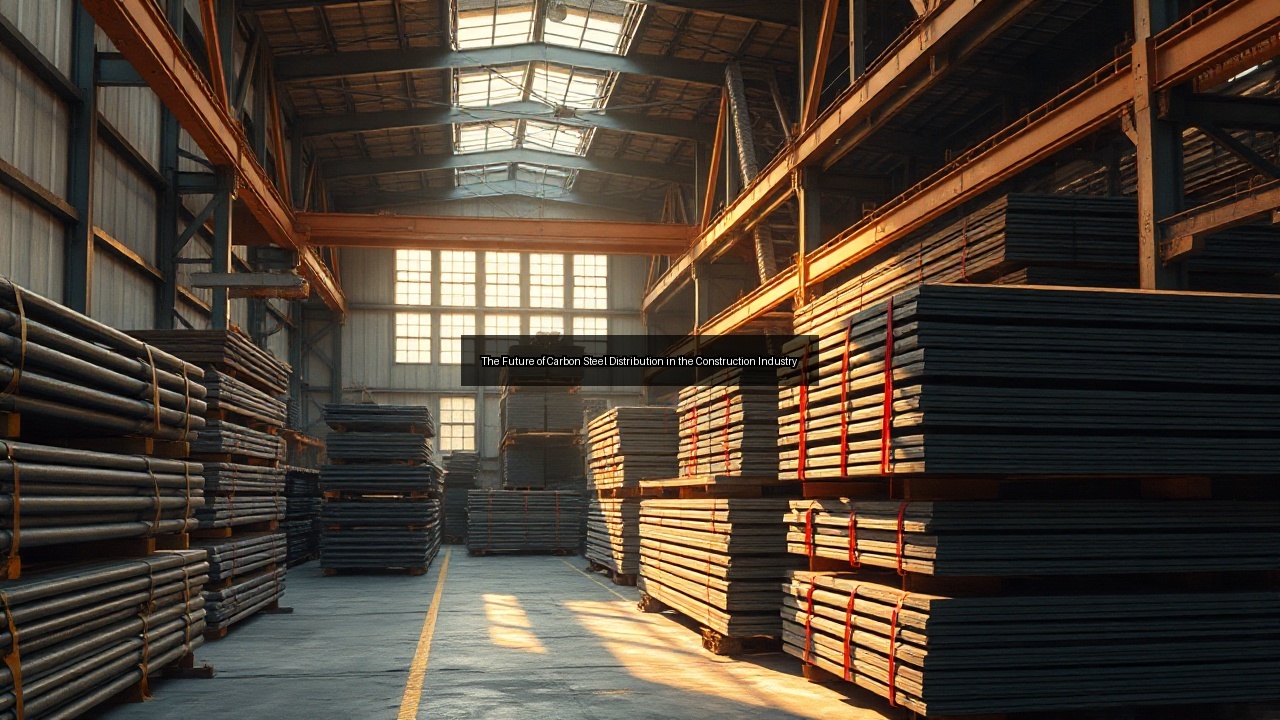
Carbon steel distributors serve as the vital link between manufacturers and construction businesses. They manage the procurement, storage, and delivery of carbon steel products, ensuring that construction projects receive timely supplies. These distributors maintain relationships with steel mills and manufacturers to source various grades and types of carbon steel, including low, medium, and high carbon varieties. Efficient inventory management plays a crucial role in their operations, allowing them to meet the fluctuating demands of the construction industry. As construction projects often require specific steel specifications, carbon steel distributors must possess in-depth knowledge of the products they offer, enabling them to provide expert guidance to clients selecting the appropriate materials.
Key Products Offered by Carbon Steel Suppliers
Carbon steel suppliers provide a diverse array of products essential for the construction industry. Common offerings include carbon steel sheets, plates, bars, and pipes, each serving unique functions in various applications. Steel pipes, in particular, are critical for plumbing, structural support, and transportation of materials. Additionally, distributors offer products in different finishes and coatings to enhance corrosion resistance, catering to specific project requirements. The ability to customize orders based on client needs further sets leading carbon steel distributors apart in a competitive market. This extensive product range ensures that construction professionals have access to the necessary materials for a wide variety of projects, from residential buildings to large-scale infrastructure developments.
Importance of Reliable Carbon Steel Distribution in Infrastructure Projects
Reliable carbon steel distribution significantly impacts the construction of infrastructure projects. Timely delivery of high-quality steel ensures that construction schedules remain on track, preventing costly delays. Infrastructure projects, which often involve stringent regulations and standards, require materials that meet specific quality benchmarks. Carbon steel distributors must adhere to industry standards and certifications, guaranteeing that their products are safe and effective for use in construction. Furthermore, a dependable distributor helps construction companies manage their supply chains effectively, reducing the risks associated with material shortages. In essence, the role of a carbon steel distributor extends beyond mere supply; it encompasses quality assurance and logistical support, both critical for successful infrastructure development.
Emerging Trends in Carbon Steel Distribution
Impact of Transportation Innovations on Steel Distribution
Transportation innovations profoundly influence carbon steel distribution, enhancing efficiency and reducing costs. Advancements in logistics technologies, such as tracking systems and automated inventory management, empower distributors to streamline their operations. These innovations facilitate real-time updates on shipments, improving communication with customers and enhancing overall service quality. Furthermore, the rise of eco-friendly transportation methods, including electric vehicles and rail systems, presents opportunities for carbon steel distributors to reduce their carbon footprints. As the construction industry increasingly prioritizes sustainability, distributors who adopt innovative transportation practices position themselves favorably in the marketplace, ensuring they remain competitive while meeting evolving environmental standards.
Welded vs. Non-Welded Steel Pipes
The choice between welded and non-welded steel pipes remains a significant consideration in construction. Welded steel pipes, created by fusing together metal pieces, offer greater strength and can be manufactured in larger diameters, making them ideal for high-pressure applications. Conversely, non-welded pipes, often produced through processes like seamless manufacturing, are favored for their uniform strength and resistance to corrosion. Carbon steel distributors play a pivotal role in educating clients about the advantages and limitations of each type, enabling construction professionals to make informed decisions based on their specific project needs. As construction techniques evolve, the demand for both types of pipes will continue to shape the offerings of carbon steel suppliers.
Sustainability and the Future of Carbon Steel
Sustainability has emerged as a defining factor in the future of carbon steel distribution. The construction industry faces increasing pressure to adopt environmentally friendly practices, and carbon steel distributors must adapt to these changing demands. The shift towards recycling and reusing steel not only reduces waste but also cuts down on energy consumption during production. Distributors who prioritize sustainable sourcing and supply chain practices position themselves as leaders in the industry, attracting environmentally-conscious clients. Moreover, innovations in production techniques, such as electric arc furnaces, contribute to lower emissions. As the construction sector increasingly aligns with green building initiatives, carbon steel suppliers who embrace sustainability will find new opportunities for growth and collaboration.
Challenges and Opportunities for Carbon Steel Distributors
Navigating Supply Chain Disruptions
Carbon steel distributors face numerous challenges in navigating supply chain disruptions, particularly in a global market marked by volatility. Factors such as geopolitical tensions, natural disasters, and fluctuating demand can create significant hurdles in sourcing and delivering carbon steel products. Distributors must develop robust strategies to mitigate these risks, including diversifying their supplier base and investing in technology to enhance forecasting and inventory management. By proactively addressing potential disruptions, carbon steel distributors can maintain reliability and trust with their clients. These challenges also present opportunities for innovation, as distributors explore new partnerships and logistics solutions to create more resilient supply chains.
Meeting the Demand for Stainless and Alloy Steel
The rising demand for stainless and alloy steel poses both challenges and opportunities for carbon steel distributors. While carbon steel remains a staple in construction, the shift towards higher-strength and corrosion-resistant materials has prompted distributors to expand their product offerings. By incorporating stainless and alloy steel into their inventories, carbon steel suppliers can cater to a broader range of applications and client needs. This diversification not only enhances their competitive edge but also positions them to engage with clients seeking innovative and high-performance materials. As the construction industry evolves, distributors who adapt to changing demands will thrive in a dynamic marketplace.
Future Prospects for Carbon Steel Suppliers in CA
The future prospects for carbon steel suppliers in California reflect a blend of opportunity and challenge. As the state invests heavily in infrastructure projects, including roads, bridges, and public transit systems, the demand for carbon steel products is set to rise. Distributors in CA must stay ahead of industry trends and regulatory changes to capitalize on these opportunities. Focusing on sustainability and innovation will be crucial in maintaining a competitive edge. Suppliers who build strong relationships with construction companies and prioritize quality will play a pivotal role in shaping the future of carbon steel distribution. The evolving landscape promises growth for those who adapt and respond to the needs of the construction sector.