The Ultimate Guide to Selecting and Maintaining Oil Storage Tanks
Understanding Oil Storage Tanks
What are Oil Storage Tanks?
Oil storage tanks are essential components in the oil and gas industry, designed specifically to hold various types of oils and lubricants. These tanks come in various shapes and sizes and serve a multitude of functions, from storing crude oil to housing finished lubricants. Properly designed and maintained oil storage tanks ensure that the oil remains uncontaminated and stable for extended periods, making them crucial for both commercial and residential applications. Additionally, oil storage tanks help prevent environmental contamination by containing any leaks or spills that may occur during the storage process.
Types of Oil Storage Containers
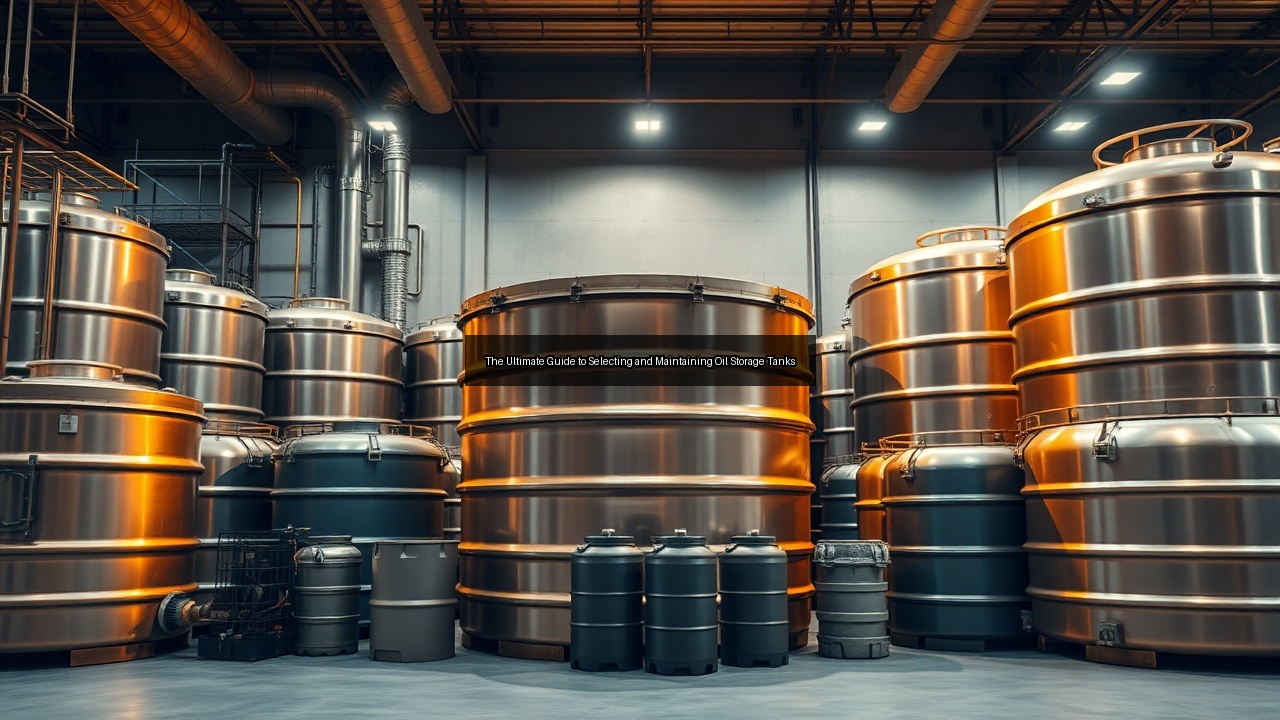
Several types of oil storage containers exist, each serving specific purposes. The most common types include above-ground storage tanks (ASTs) and underground storage tanks (USTs). Above-ground tanks provide easy access for inspection and maintenance but require careful positioning to prevent environmental hazards. Underground tanks, on the other hand, offer protection from external elements but can be challenging to maintain. Other options include drums, which are often used for smaller quantities of oil, and plastic containers that can offer a lightweight alternative for specific applications. Each type of container has its advantages and disadvantages, making it essential to choose the right one based on individual needs.
Key Features of Oil Tanks
When selecting oil storage tanks, several key features warrant consideration. First, the tank's capacity is crucial, as it determines how much oil can be stored at once, impacting both efficiency and cost-effectiveness. Understanding the distinction between gallons and liters can help in choosing the appropriate tank size. Additionally, the material of the tank plays a significant role in its durability and resistance to corrosion; common materials include steel, which is robust but heavier, and high-density polyethylene (HDPE), which offers lightweight and corrosion-resistant properties. Safety features, such as oil container emergency vents and level gauges, are also vital to ensure safe and effective storage.
Selecting the Right Oil Storage Container
Factors to Consider When Choosing an Oil Tank
Choosing the right oil tank requires careful consideration of several factors. First, assess the intended use of the tank, whether for residential heating oil, commercial lubricants, or industrial applications. This decision influences the type of oil storage containers required. Next, evaluate local regulations regarding oil storage, as these can dictate tank size, material, and installation methods. Environmental concerns also play a crucial role; selecting tanks with features that minimize environmental impact is essential. Lastly, consider the budget and overall maintenance costs, as these can vary significantly between different tank types and materials.
Capacity and Size: Gallons vs. Liters
Understanding capacity is vital when selecting an oil storage container. Oil tanks are available in various sizes, measured in either gallons or liters. For residential purposes, tanks typically range from 275 gallons (approximately 1041 liters) to 500 gallons (around 1892 liters). In commercial or industrial settings, larger tanks may be necessary to accommodate higher volumes of oil. Proper sizing ensures that the tank meets the demands of its intended use while complying with regulations. Always anticipate future requirements, as underestimating capacity may lead to frequent refills and increased operational costs.
Material Choices: Plastic vs. Metal
The material of the oil storage tank significantly impacts its performance and longevity. Plastic containers, such as those made from HDPE, are lightweight and resistant to corrosion, making them ideal for specific applications, especially in environments prone to rust or degradation. However, they may not withstand extreme temperatures or physical impacts as well as metal tanks. Metal tanks, often constructed from steel or aluminum, provide robustness and can handle a wider variety of oils and conditions. Nonetheless, they require regular maintenance to prevent rust and corrosion. Evaluate the specific needs of your operation to determine the most suitable material for your oil storage tank.
Best Practices for Maintaining Oil Storage Tanks
Regular Inspection and Maintenance
Regular inspection and maintenance of oil storage tanks are vital to ensure safe and efficient operation. Conduct visual inspections to check for signs of leaks, corrosion, or structural damage. Implement a routine maintenance schedule, which includes cleaning and servicing components like valves and vents. Keeping detailed records of inspections and maintenance activities aids in compliance with regulatory requirements and helps identify trends that might indicate issues. Engaging a qualified technician to perform periodic assessments ensures that the tank operates optimally and reduces the risk of environmental contamination due to leaks or spills.
Safety Measures for Oil Storage
Safety measures are essential when dealing with oil storage tanks to protect both people and the environment. Install safety features such as spill containment systems, which capture any leaks that may occur, preventing environmental damage. Use alarms and monitoring systems to detect changes in tank levels or pressure, alerting you to potential issues before they escalate. Ensure that all personnel involved in handling or maintaining oil tanks receive adequate training on safety protocols. Adhering to local regulations and safety standards not only protects the environment but also safeguards your investments in oil storage infrastructure.
Cleaning and Decommissioning Storage Tanks
Cleaning and decommissioning oil storage tanks requires careful planning and execution. When a tank reaches the end of its useful life or is no longer needed, proper procedures must be followed to ensure safe removal and disposal. Begin by emptying the tank and thoroughly cleaning it to eliminate residual oil and contaminants. Engage certified professionals to handle the decommissioning process, as local regulations may require specific protocols for disposal. Document the entire process, including inspections and clean-up efforts, as this information may be necessary for compliance with environmental regulations and future reference.
Innovations in Oil Storage Solutions
Gravity Feed Systems for Efficient Lubrication
Gravity feed systems have emerged as an innovative solution for oil storage and lubrication processes. These systems utilize gravity to dispense oil from storage tanks directly to machinery, minimizing waste and ensuring a steady flow. This method enhances efficiency and reduces the need for complex pump systems, which can be more prone to mechanical failures. By simplifying the oil transfer process, gravity feed systems improve overall operational efficiency and make maintenance easier. Industries that rely on lubricants can benefit significantly from this straightforward yet effective approach to oil storage.
Eco-Friendly Options for Oil Storage
Eco-friendly options for oil storage are gaining momentum as industries increasingly prioritize sustainability. Biodegradable materials and advanced composite tanks are being developed to minimize environmental impact while maintaining performance. Additionally, innovations like secondary containment systems help prevent leaks and spills, protecting both soil and water sources. These eco-friendly solutions not only align with regulatory requirements but also enhance corporate responsibility initiatives. Adopting sustainable practices in oil storage can lead to improved brand reputation and customer loyalty, making it a valuable investment for forward-thinking companies.
Future Trends in Oil and Gas Storage
The oil and gas storage industry is evolving rapidly, with several trends shaping its future. Automation and smart technology are becoming integral, enabling real-time monitoring of tank conditions and inventory levels. This advancement enhances efficiency and reduces the risk of human error. Furthermore, the push towards renewable energy and alternative fuels is influencing the design containers for storing oil and operation of storage facilities. Companies are exploring modular and flexible storage designs that can accommodate a variety of fuels and oils. These trends indicate a shift towards a more adaptable and sustainable approach to oil storage, ensuring the industry remains resilient in a changing energy landscape.